

The AVRA Times
Diamonds
How to Read Your IGI Certificate, Line by Line
Every AVRA diamond piece ships with an IGI report. Here is what each line on it tells you, and how to check it yourself in under a minute.
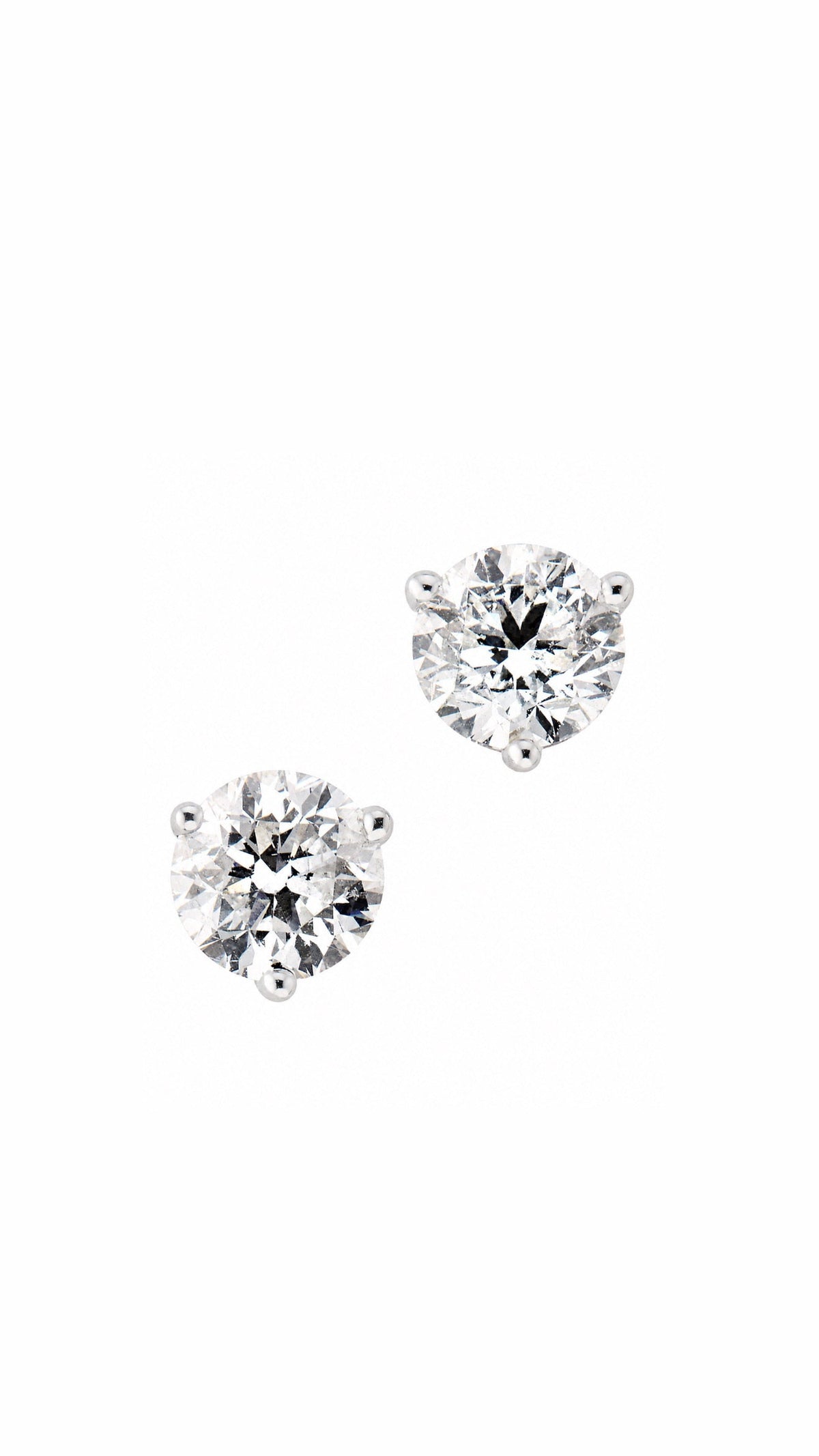
Every diamond piece from AVRA arrives with a report from IGI, the International Gemological Institute. It is an independent lab: the grade on the page is theirs, not ours. The paper in your box is the proof that your stone is what we said it is.
Here is how to read it.
Report number
The most useful line on the page. Type it into the report check on igi.org and the lab's own record comes up. Keep it with the piece and with your insurance documents.
Description
For a lab-grown stone this reads Laboratory Grown Diamond. A natural stone is described as natural. Both are diamond, carbon in the same crystal structure, and the report says plainly which one you have.
Shape and cutting style
Round brilliant, pear brilliant, oval brilliant, emerald step cut. The second word matters: brilliant cuts are built for sparkle, step cuts for long, clean flashes of light.
Measurements and carat weight
Length, width and depth in millimetres, then the weight. A carat is 0.2 grams. Two stones of the same carat weight can look different sizes depending on how they are cut, which is why the millimetres are on the page too.
Color
Graded on a scale from D, completely colorless, down through the alphabet as a stone picks up warmth. Set in yellow gold, a near-colorless stone takes a little of the metal's glow. Set in white gold, it reads cooler and brighter.
Clarity
Where AVRA draws its line. Every diamond we set is VS or VVS: any marks inside the stone are hard to find even under 10x magnification, and invisible when you wear it.
Cut, polish and symmetry
How well the stone was faceted and finished. On round diamonds you will see a cut grade. On fancy shapes like pears and ovals, polish and symmetry tell you how cleanly the facets were cut and how evenly they line up.
Fluorescence
Whether the stone glows under ultraviolet light, and how strongly. Most people never notice it in daylight.
Inscription
Many stones carry the report number laser-inscribed on the girdle, the thin outer edge. It is too small to see without a loupe. Any jeweler can find it and match it to your paper.
Comments
For lab-grown diamonds, this is where the lab notes how the stone was grown, either CVD or HPHT, and any treatment after growth.
On a solitaire, the report describes that one stone. On a piece set with many small diamonds, it describes the diamonds together, with a total carat weight.
If anything on your report raises a question, email us at Contact@avrajewelry.co with the report number. We will walk you through it.
❦


